I
was extremely excited to begin my search for primary sources after
understanding the gist of epistolary fiction. It was most interesting to find
various novels written in epistolary form for such different audience members.
I came across an unexpected text written for middle school children and,
moments later, I found a complex epistolary novel told by a woman undergoing
ceaseless abuse which was more for adults. Besides the ability to cater to
readers of different ages, I found it astounding how this novel continues to be
a successful genre.
During
my secondary sources research, I found plenty of evidence that explained how
epistolary novels were incredibly popular during the 18th century.
This theory is expanded, in my opinion, as I saw that epistolary novels
continue to be popular but at times they take on a slightly different form. A
prime example of this would be the epistolary novel titled TTYL, written by Lauren Myracle which is a young adult fiction book
written entirely in the style of ‘instant messaging’ conversations. This epistolary
novel chronicles the day-to-day experiences of three close friends through this
version of the genre. I had read this novel back in high school and I remember
the frenzy it had caused amongst students because of its unique form. This may
also be the reason that this novel was a New
York Times bestseller.


That
is not to say that recent works taking on the traditional form have not been
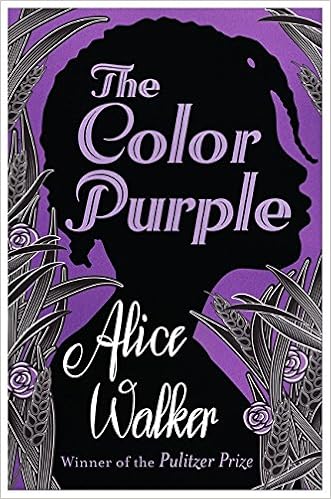
successful. A primary source I found written by Alice Walker titled The Color Purple, is the winner of the Pulitzer Prize and
National Book Award. I believe the genre’s incredible success relies in the
traditional form used because readers are able to connect with the emotional
story through its personal form. Celie, the novel’s protagonist, writes letters
directly to God in an attempt to transcend a life that often seems too much to
bear. Similarly, we can see the traditional form’s success dating back to the
18th century in Samuel Richardson’s epistolary novel Clarissa. This book is known as the
longest written novel in the English language but is considered to be one of
Richardson’s masterpieces. It’s amazing to see this connection between the
genre even through centuries.

I
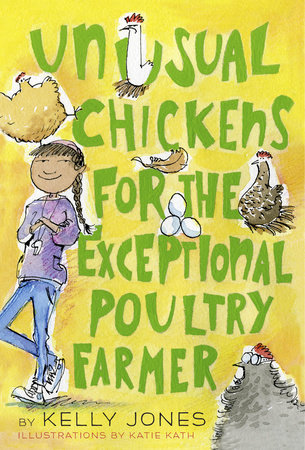
will not forget my most memorable encounter of an epistolary novel which is a
children’s book about a 12-year-old named Sophie who encounters a telekinetic
chicken. The story is as quirky as Sophie and is told through letters sent to
her grandmother. I found it refreshing to find sources that show how diverse
epistolary novels can be in any century.

Do you think there is any significance in having such an incredibly broad genre that reaches so many groups in so many different topics? Is there any research on perhaps more subgenres within the subgenre itself? I really like how you highlighted how many different things this genre seems to cover. Your primary source list, though all fitting in epistolary, seems to reach out to the furthest corners of the genre.
ReplyDeleteWhile epistolary novels were incredibly popular in the 18th century, I wonder exactly what could be the considered the first epistolary novel. Rather, the tradition of letter writing is so old, I'm curious when it made a foundational shift between letter writing and writing as if its a letter?
ReplyDeleteWe talked about TTYL being difficult and annoying to read because it was a book that had instant messaging between teens. Have you encountered that difficulty with any other epistolary novels? Do you think people tend to not read epistolary novels as much as they did before since we as the newer generation no longer take the time out of our day to write meaningful letters? How do you think technology had an impact on your sub genre?
ReplyDeleteI think what is interesting about this genre is that it can cover so many different types of works. Although they technically fall under the same genre, "The Color Purple" and "TTYL" are such different books I think it's a little bit ridiculous that they fall under the same category. I wonder if Alice Walker would be offended that her Pulitzer Prize winning novel is currently being compared to a novel about middle schoolers communicating through instant message. Anyway, I find this genre really interesting and it's cool to think that it dates all the way back to the 18th century. I guess that it is inevitable that as hundreds of years pass, the genre is likely to change and expand.
ReplyDelete